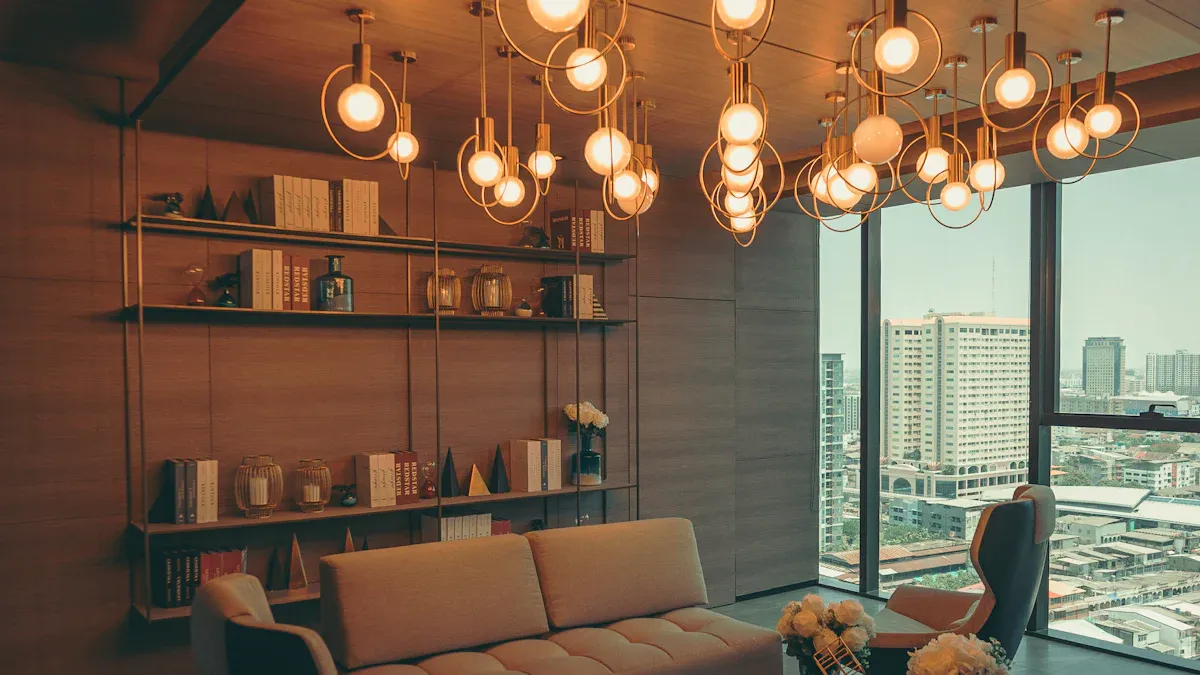
Warm lighting is the fastest way to make a home feel calmer, softer, and more “finished”—without changing your furniture. This guide breaks down warm white bulbs (2700K–3000K), fixture choices, placement rules, and renter-friendly upgrades so every room looks intentionally lit.
Why this guide works: It’s built around real measurements (Kelvin + lumens + placement), renter limits (no hardwiring required), and daily usability (reading, cooking, winding down).
Top Picks / Fastest Wins
If you only do a few things, start here (quick, high-impact swaps).
- Default to 2700K for cozy rooms (living room, bedroom). Shop 2700K warm white bulbs
- Use 3000K for “clean warm” (kitchen, hall, bath vanity). Shop 3000K warm white bulbs
- Add dimming to control mood across the day. Shop dimmable warm bulbs
- Upgrade shades (linen/fabric diffuses and “softens” instantly). Shop linen lampshades
- Brighten dark corners with a floor lamp + warm bulb. Shop modern floor lamps
Table of Contents
- 1) What warm lighting is (and why it works)
- 2) Sizing & brightness rules (lumens + placement)
- 3) Bulb types & tech choices (LED, dimming, smart)
- 4) Renter-friendly warm lighting (no hardwiring)
- 5) Styling formulas by decor style
- 6) Care, maintenance & common mistakes
- Shop by room/zone
- Shop by constraint
- Amazon Shopping Links & Anchor Picks
- FAQ
1) What warm lighting is (and why it works)
Warm lighting is light that reads soft and cozy rather than bright and bluish. In practice, you’re usually choosing warm white bulbs in the 2700K–3000K range. Think: “sunset glow,” not “office overhead.”
Quick decision
- Best for: living rooms, bedrooms, dining areas, cozy corners
- Avoid if: you need ultra-crisp task clarity (fine craft work) without additional task lighting
- Size check: if a room feels “dim,” you likely need more lumens or more fixtures—don’t jump to cooler Kelvin
Amazon searches (high intent):
Anchor picks (placeholders):
- Budget: Warm white LED bulb multipack (basic)
- Best overall: Flicker-free warm white LED bulbs (everyday rooms)
- Premium: High-CRI warm LED bulbs (best color rendering)
Bundle add-on: a warmer-looking room is usually a bulb + shade upgrade, not bulbs alone.
Add linen lampshades to soften and diffuse
Style matcher
- Modern: choose 3000K + simple white or matte black fixtures; keep glass clear, not tinted
- Warm Modern: 2700K + linen shades + light oak accents; prioritize soft diffusion
- Luxury Modern: 2700K–3000K + brass + layered accent lights; aim for “gallery glow”
2) Sizing & brightness rules (lumens + placement)
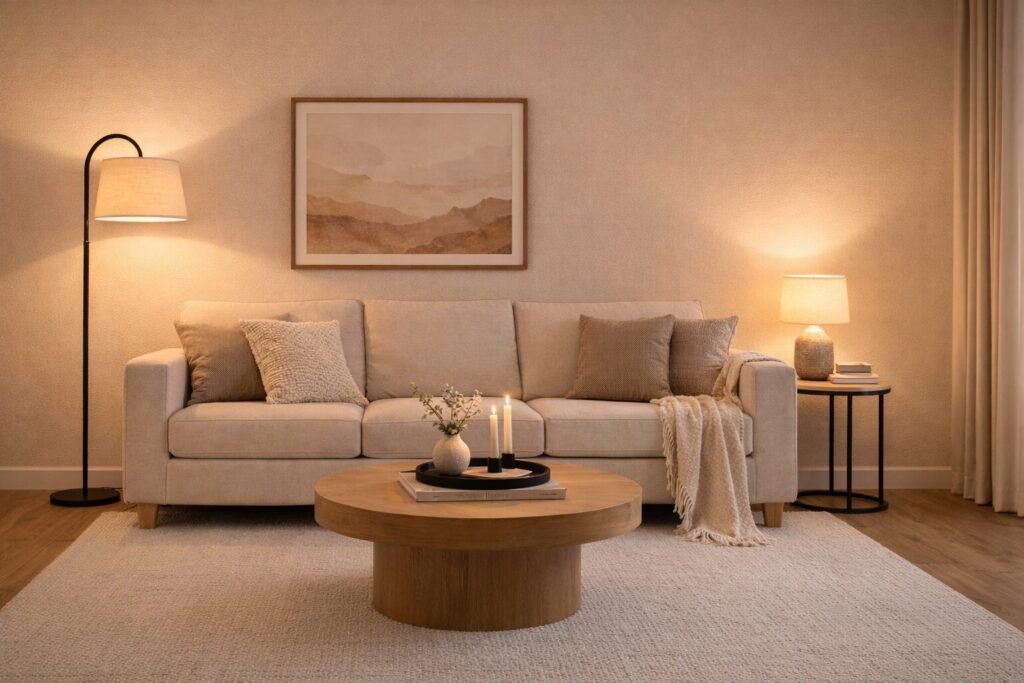
Most “my warm bulbs feel dingy” problems are actually brightness and placement problems. Keep the Kelvin warm, then fix the lumens and layers so the room still feels clear and usable.
Quick decision
- Best for: open living/dining, rooms with dark corners, north-facing spaces
- Avoid if: you only rely on one overhead fixture (it creates flat, unflattering light)
- Size check: aim for 2–4 light sources per main room (ambient + task + accent)
Simple placement rules that work:
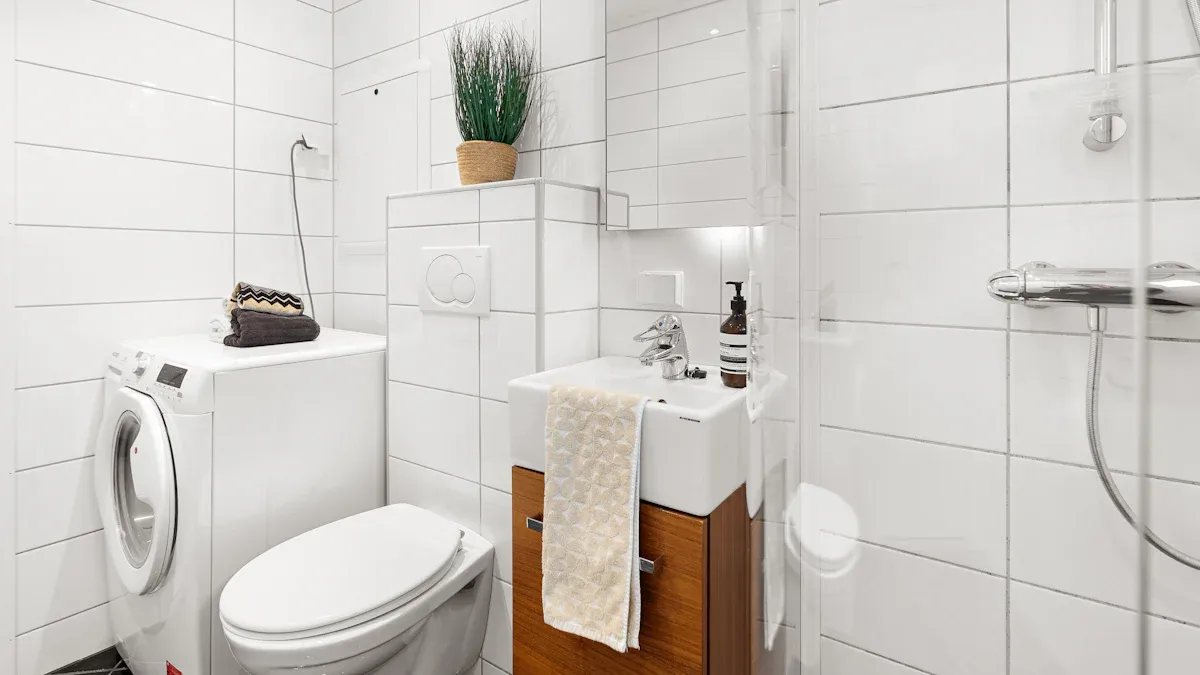
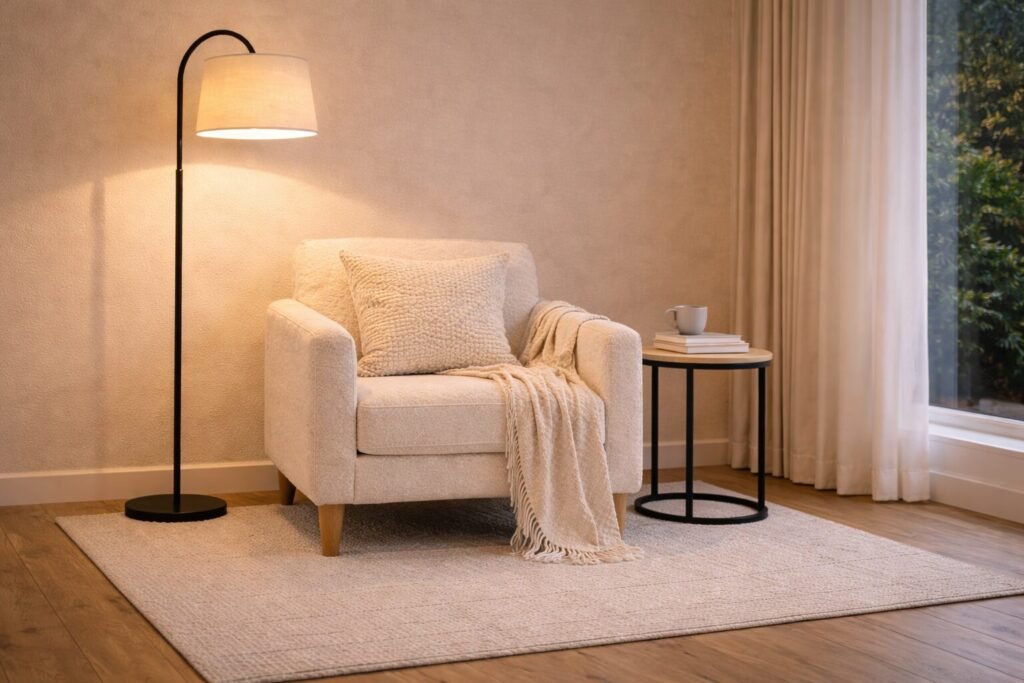
- Dark corners: put a floor lamp in the farthest corner from windows to “lift” the whole room.
- Reading zones: add a task lamp close to the seat (not across the room).
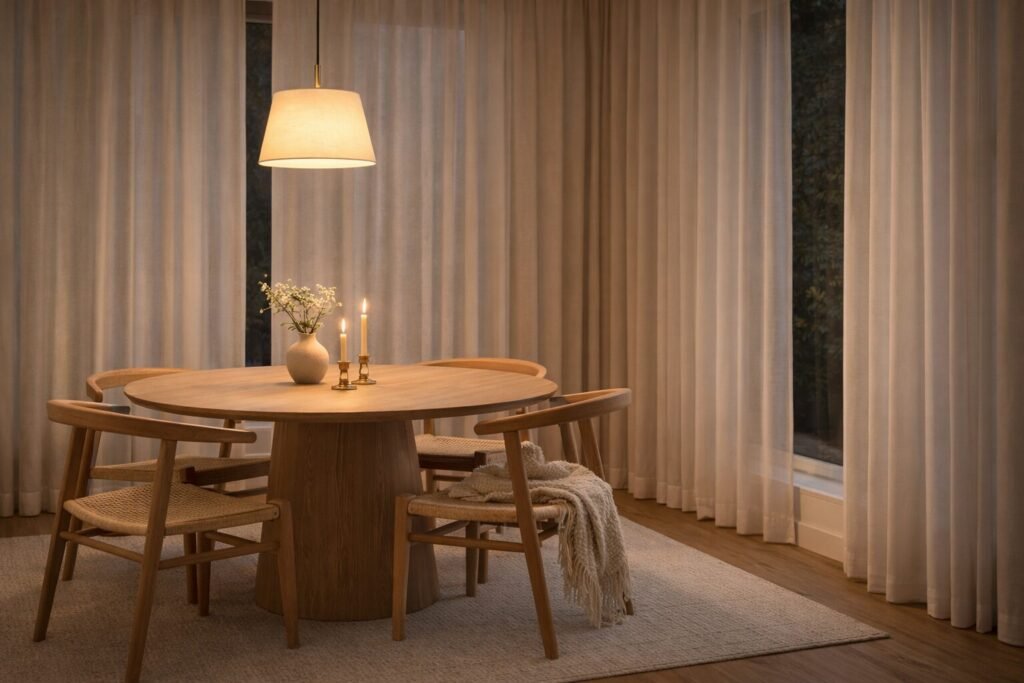
- Softening overheads: prefer diffused shades or frosted globes over exposed bulbs in cozy rooms.
Amazon searches (high intent):
Anchor picks (placeholders):
- Budget: Compact floor lamp (corner brightener)
- Best overall: Table lamp pair with fabric shades
- Premium: Designer-style arc floor lamp (statement + function)
Bundle add-on: a dimmer-friendly bulb + plug-in dimmer can instantly make your main lamp more flexible.
Add a plug-in lamp dimmer switch
Style matcher
- Modern: keep lamp silhouettes clean; choose matte black or white; use frosted globes for softness
- Warm Modern: linen shades + light oak bases; avoid shiny chrome
- Luxury Modern: pair accent lighting with art; add one sculptural lamp as a focal point
3) Bulb types & tech choices (LED, dimming, smart)
For most homes, warm LEDs are the sweet spot: long-lasting, available in true warm tones, and compatible with many fixtures. The key is choosing bulbs that match your fixture type and your dimming setup.
Quick decision
- Best for: daily-use rooms where you want consistent warmth with low maintenance
- Avoid if: your dimmer and bulb aren’t compatible (can cause flicker)
- Size check: match bulb shape/base (A19, globe, candelabra, etc.) to the fixture before you buy
What to prioritize when shopping:
- Kelvin: 2700K for cozy; 3000K for clean warm.
- Dimmable: only if you’ll use dimmers (and confirm compatibility).
- High color quality: look for “high CRI” language if your space has lots of wood, textiles, art, or warm paint.
- Smart bulbs: best if you want evening scenes or app/voice control without rewiring.
Amazon searches (high intent):
Anchor picks (placeholders):
- Budget: Warm LED bulb multipack (dimmable if needed)
- Best overall: High-quality warm LEDs (great for everyday fixtures)
- Premium: Smart warm white bulbs (scenes + schedules)
Bundle add-on: if your bulbs are right but the room still feels harsh, swap to diffusion-forward lamp shades.
Add frosted globe fixtures for softer spread
Style matcher
- Modern: 3000K + frosted globes + simple flush mounts; keep hardware matte black/white
- Warm Modern: 2700K + linen shades + soft curves (dome/arched forms)
- Luxury Modern: layered smart scenes + warm white; integrate brass accents and art lighting
4) Renter-friendly warm lighting (no hardwiring)
You can get a layered, designer-lit look without opening a junction box. The renter-friendly path is plug-in lighting, swappable bulbs, and removable placement (hooks, cord covers, and adhesive solutions).
Quick decision
- Best for: apartments, dorms, rentals with limited overhead fixtures
- Avoid if: your lease forbids wall-mounted fixtures entirely (use floor/table lamps instead)
- Size check: for narrow walls and corners, choose compact sconces/lamps with slim profiles
Renter-friendly moves that look built-in:
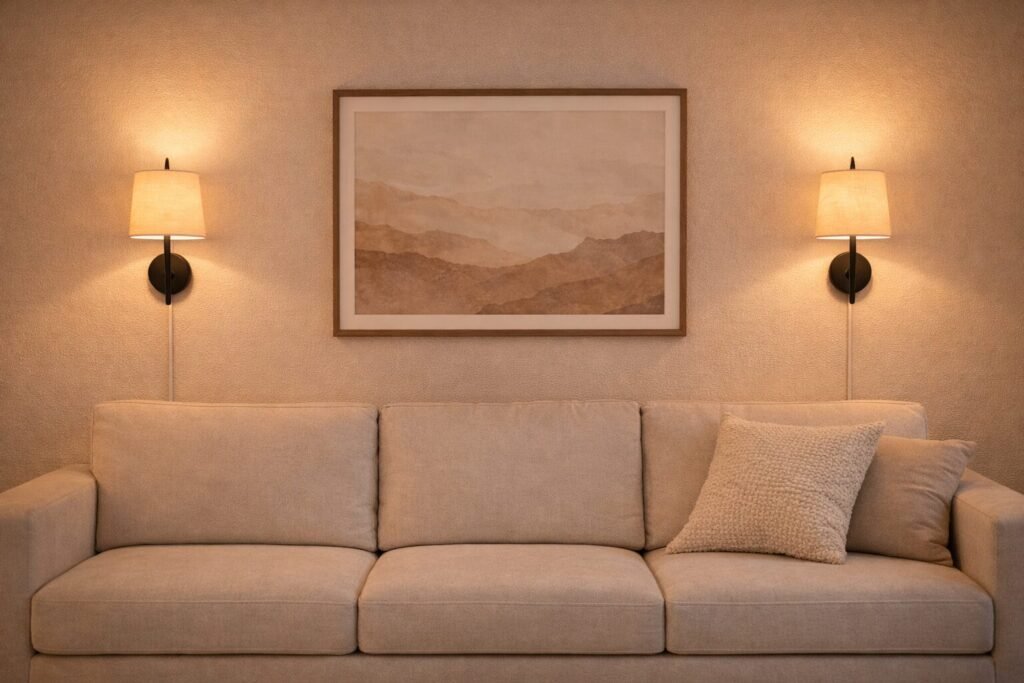
- Plug-in wall sconces for bedside or sofa-wall symmetry.
- Cord covers painted to match the wall for a cleaner line.
- Warm bulbs + diffusion (linen shades, frosted glass) to hide “rental lighting” harshness.
Amazon searches (high intent):
- Plug-in wall sconces (set of 2, linen shade)
- Paintable cord covers
- Removable wall hooks (for lighting)
Anchor picks (placeholders):
- Budget: Plug-in sconce (single) for bedside
- Best overall: Plug-in sconce set (pair) with fabric shades
- Premium: Premium plug-in sconce (dimmer + elevated finish)
Bundle add-on: elevate the “built-in” look with a clean cord path.
Add a paintable cord concealer kit
Style matcher
- Modern: matte black plug-in sconces + white walls; keep cords hidden and straight
- Warm Modern: linen shades + light oak accents; pair with soft textiles
- Luxury Modern: brass sconces + framed art; add a picture light effect with warm bulbs
5) Styling formulas by decor style
Warm lighting should match the materials and shapes you’re already using. These formulas keep the room cohesive so the light feels intentional—not randomly “yellow.”
Quick decision
- Best for: making a room feel styled and consistent from day to night
- Avoid if: you mix warm bulbs with very cool metals (bright chrome) without balancing with warm textiles
- Size check: small rooms look better with fewer, softer sources (diffused light + mirrors) than a single bright overhead
Modern
- Choose 3000K for a clean warm tone.
- Fixtures: matte black/white, simple globes, clean lines.
- Keep decor minimal; let lighting be the “finish.”
Warm Modern
- Choose 2700K for a cozy glow.
- Fixtures: linen shades, light oak bases, soft curves.
- Pair with textiles: bouclé, linen, woven baskets.
Luxury Modern
- Choose 2700K–3000K depending on finishes.
- Fixtures: brass, stone/marble-look, curated accent lighting.
- Add a “layer”: picture lights, mini accent lamps, or sconces.
Amazon searches (high intent):
- Modern flush mount (frosted glass)
- Warm modern table lamps (linen shade)
- Brass plug-in wall sconces (luxury modern)
Anchor picks (placeholders):
- Budget: Minimal table lamp (modern)
- Best overall: Linen-shade lamp set (warm modern)
- Premium: Brass accent lamp / sconce (luxury modern)
Bundle add-on: mirrors amplify warm light and reduce “dark corner” vibes.
Add an arched mirror to bounce warm light
Style matcher
- Modern: matte black + frosted glass; keep bulb color consistent room-to-room
- Warm Modern: linen + oak + soft curves; avoid clear exposed bulbs in cozy zones
- Luxury Modern: brass + stone textures; add one accent layer for depth
6) Care, maintenance & common mistakes
Warm lighting looks best when it’s consistent and clean. A few small maintenance habits keep your warm glow from turning dull, patchy, or overly yellow.
Quick decision
- Best for: preventing “mismatched bulb” rooms and keeping light output steady
- Avoid if: you mix random bulbs from different packs (they can vary slightly)
- Size check: if a room feels uneven, add a second light source before increasing bulb harshness
Care basics:
- Dust lamp shades and clean globes so light doesn’t get “murky.”
- Replace bulbs in pairs (especially sconces) to keep color consistent.
- Use the same Kelvin in a single sightline (open concept areas).
Common mistakes (and quick fixes):
- Too yellow: move from 2700K to 3000K in kitchens/halls, or add white diffusion shades.
- Too dim: add a lamp or choose higher-lumen warm bulbs (keep Kelvin warm).
- Glare: avoid bare bulbs in eye-level fixtures; use frosted glass or fabric shades.
- Flicker on dimmers: confirm the bulbs are dimmable and compatible with your dimmer type.
Amazon searches (high intent):
- Frosted globe bulbs (warm white)
- High-lumen 2700K LED bulbs
- LED dimmer switches (compatibility-focused)
Anchor picks (placeholders):
- Budget: Frosted warm bulbs (glare reducer)
- Best overall: Reliable dimmable warm bulbs (consistent color)
- Premium: Premium high-CRI bulbs (best color accuracy)
Bundle add-on: if glare is your issue, a shade swap is often the fastest win.
Add a white fabric drum shade for softer light
Style matcher
- Modern: simplify to fewer bulb types; use frosted globes and clean-lined fixtures
- Warm Modern: prioritize linen/fabric diffusion; keep everything in warm neutrals
- Luxury Modern: add one accent layer (picture light or small lamp) instead of increasing overhead brightness
Shop by room/zone
Use these shortcuts when you’re shopping with a specific zone in mind.
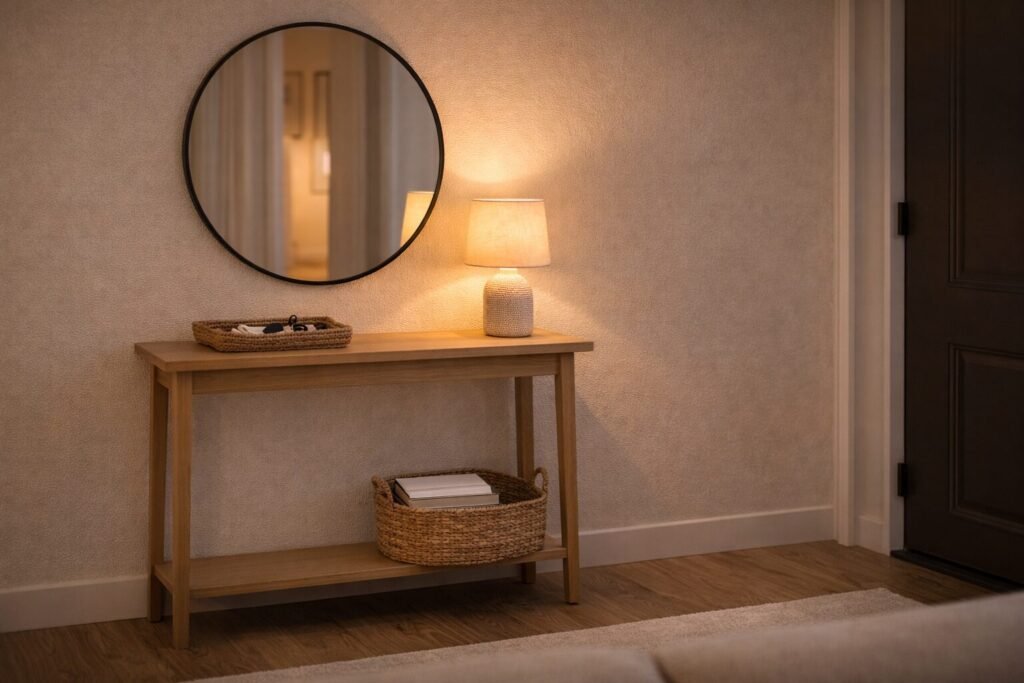
- Entry corner: Console + lamp styling pieces
- Reading nook corner: Reading-friendly floor lamps
- Sofa wall: Plug-in wall sconces for symmetry
- Window/curtain wall: Sheer linen curtains (softens light)
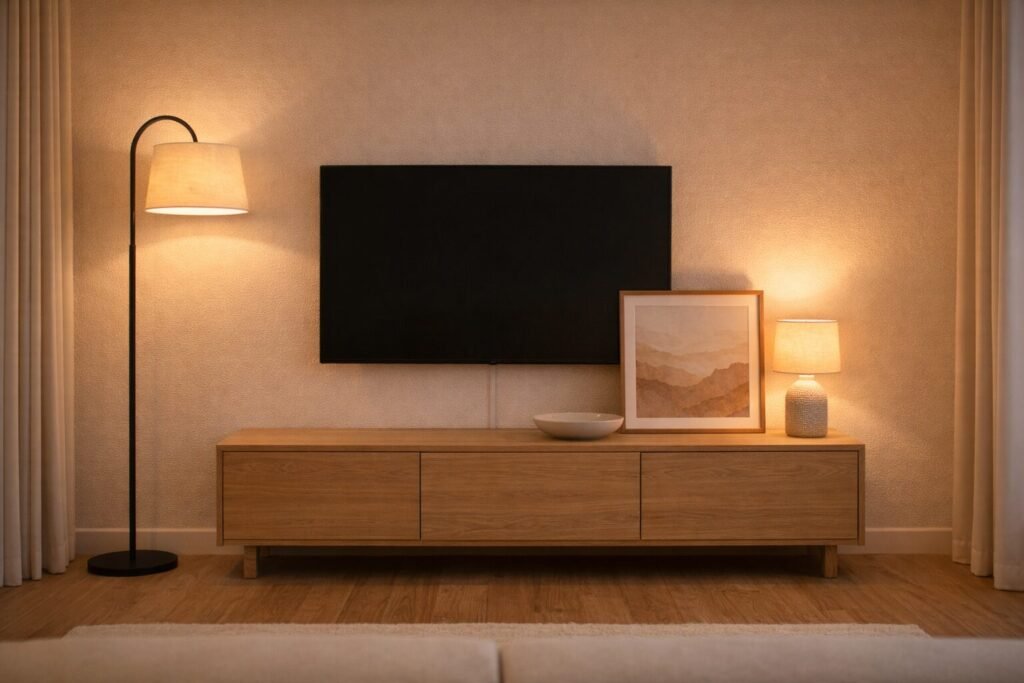
- TV wall + media console: Small lamps for media consoles
Shop by constraint
These searches filter for common real-life limits.
- Renters: Plug-in sconces + renter-friendly lighting
- Small space: Compact table lamps
- Low light rooms: High-lumen warm bulbs
- Pets: Heavier, tip-resistant lamp bases
- Kids: Shatter-resistant warm bulbs
- Low ceiling: Low-profile flush mounts
Amazon Shopping Links & Anchor Picks
Scannable links to shop faster. (No product images—just clean search links and anchor placeholders.)
Bulbs (warm white)
- 2700K warm white LED bulbs
- 3000K warm white LED bulbs
- High-CRI warm bulbs
- Dimmable warm bulbs
- Smart warm white bulbs
Fixtures (lamps, sconces, overhead)
- Modern table lamps with linen shades
- Modern floor lamps with linen shades
- Plug-in wall sconces
- Frosted glass flush mounts
Controls (dimmers & organization)
Anchor product slots (fill with exact products)
- Budget: Budget warm lighting anchor pick (search)
- Best overall: Best overall warm lighting anchor pick (search)
- Premium: Premium warm lighting anchor pick (search)
Mandatory links
Included as provided; replace the placeholder(s) with your required Amazon URLs while keeping the affiliate tag format intact:
How we choose these picks
- Prioritize warm white ranges that work in real rooms (cozy vs clean warm).
- Favor diffusion (linen shades, frosted glass) to reduce glare and “overhead harshness.”
- Choose flexible options that suit renters (plug-in, cord management, no rewiring).
- Focus on daily usability: reading comfort, evening wind-down, and balanced room coverage.
FAQ
What color temperature should I pick for cozy home lighting?
Choose bulbs between 2700K and 3000K. Use 2700K for the coziest feel in living rooms and bedrooms, and 3000K when you want a slightly cleaner warm look in kitchens, hallways, or bathrooms.
How do I layer lighting in my living room?
Start with a soft ambient source (like a diffused ceiling light), add a task light near seating (table or floor lamp), then add one accent light for depth (sconce or small lamp). Aim for 2–4 light sources so the room feels evenly warm, not flat.
Can I use smart lighting to create a warm atmosphere?
Yes. Smart bulbs let you set warm white tones for evenings and adjust brightness for different activities. They’re especially helpful if you want routines (like a dim, warm “wind-down” setting) without changing fixtures.
What is the best lighting for bedrooms?
Warm lighting is best for bedrooms. Use 2700K bulbs in bedside lamps or plug-in sconces, and choose fabric or frosted shades to keep the light soft and relaxing.
How do I choose energy-efficient lighting?
Look for warm white LED bulbs labeled 2700K or 3000K. If you use dimmers, choose dimmable LEDs and match them with compatible dimmer controls for smoother performance.